The Underground Guide to Physical Fitness: Why It Matters to Move Your Body Everyday.
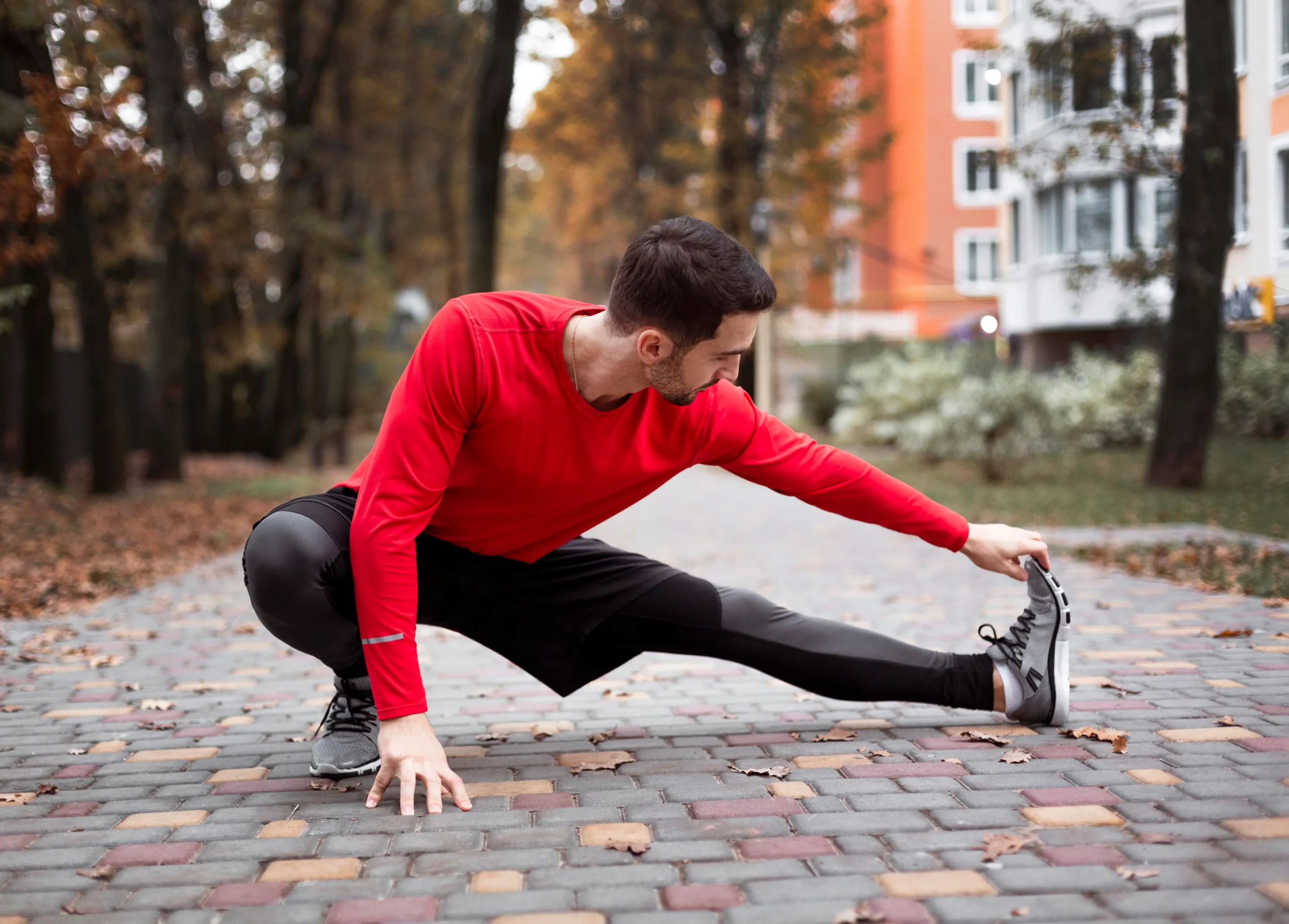
Exercise starts with basic knowledge that human body is meant to be moved about. All the systems of the body, such as the muscles, joints, bones, the heart, lungs, and even the brain have to move in order to perform their work effectively. During movement of the body, blood flow becomes better, oxygen and food is carried to various parts of the body and waste products are cleared in a better manner. Conversely, these systems are debilitated by long idleness. There is loss of muscles strength, stiffness of joints, posture deteriorates and energy is low. Most of the contemporary lifestyles are associated with the prolonged sitting at the desks, working with computer devices or driving cars. Although such conveniences make living simpler, they cause loss of natural movement. In the long run, the inability to move leads to discomfort, the decrease in mobility, and the increase of the risk of developing chronic health conditions. Knowing this relationship between motion and wellbeing will aid people to acknowledge the importance of exercising in their daily lives albeit in minimal quantities.
Physical fitness is even mistaken to refer to intense physical exercise programs, sports performance or inflexible gym routines. This is a short-sighted perception that keeps most individuals away form physical activity since they think that fitness is a tedious endeavor that needs special equipment. As a matter of fact, the physical fitness involves a wide scope of movement types that sustain daily functioning. Functional movement is walking, stretching, bending, lifting, reaching, and carrying, which help to retain physical ability. Strength enables the body to carry out activities like picking things or sitting out of a chair. Endurance helps in the capacity to maintain the activity without being too fatigued. Flexibility enables joints to move according to the maximum range of movement. Balance serves as a preventive measure of falls and assists in coordination. These factors constitute the basis of physical fitness.
Exercise does not take a lot of time on a daily basis. The brief bouts of activity throughout the day can be of significant assistance. Any form of brisk walk, light body stretches, or going up the stairs rather than using lifts or any simplistic body weight exercises will help to increase the level of activity. The cumulative effect is these minor activities. It is not about the intensity but consistency. An individual who exercises moderately on a daily basis tends to benefit most in the long run as compared to an individual who works out vigourously and at a few intervals in a year.
The frequent exercise aids in the well-being of the heart by making it stronger and enhancing blood circulation. It promotes muscle tone and stability of the joints as well. The muscles are strong and flexible as they are used on a regular basis. The joints are well lubricated and are not easily stiff when they are taken through all the ranges of motion. The effects diminish the chances of pain and injuries.
Exercise has an effect as well, on mental and emotional health. Exercise triggers the chemicals in the brain that improve one mood and stress reduction. Most people observe that their mood improves, they are more attentive and they are more energized after the workout. Exercise will also help to enhance the quality of sleep, which is also beneficial to physical and mental health.
It does not involve a lot of drastic changes to start an active lifestyle. Smaller goals that one can accomplish are more sustainable as opposed to big plans that are overwhelming. As an example, one can start the process of building a habit by adding a walk every day or spending a few minutes of stretching in the morning. Gradually these little habits can be extended.
Developing physical fitness is a slow process. The gains might seem slow, however, with continuous work, the strength, mobility, and endurance can be observed to increase. It is important to celebrate little engagements.
Exercise helps to be independent. When one is strong and mobile, they find it easier to conduct their daily activities and have to depend on the help of others. This autonomy leads to better life.
Everyday exercise is an investment towards long term health. The entire process, every stretch, and movement will help a body to become stronger and more capable.