Flexibility, Mobility Awareness: Moving the Body with Freedom.
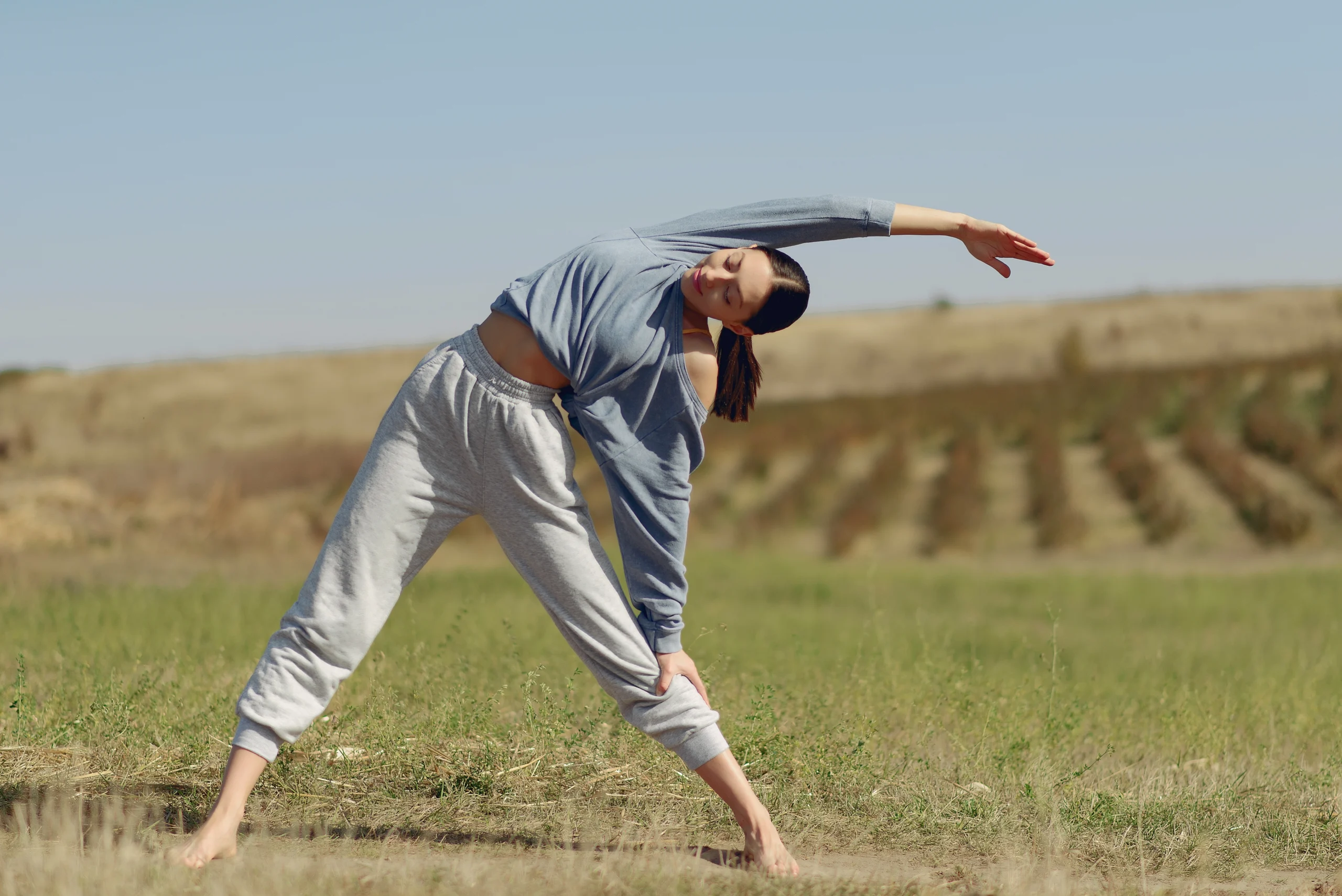
The essence of physical fitness is flexibility and mobility which has direct impact on how the body feels and operates in the real life. Although strength and endurance are more than likely to be considered, it is flexibility and mobility that define a smooth, comfortable, and natural movement. Flexibility is the ability of muscle to lengthen and stretch whereas mobility is the ability of the joint to move freely within a full range of motion. The two are critical in keeping up healthy movement patterns. Once the muscles tighten and the joints become immobile, even such simple exercises like bending down, stretching over the head, twisting the torso or walking become limited. This limitation in the long run may result in discomfort, activity decline and injury. Realizing the significance of flexibility, and mobility makes people realize that those are not some additional qualities that come with a physical wellbeing, but rather the essential aspects of it.
Flexibility and mobility are under a lot of pressure in the modern lifestyle. Huge amounts of time are wasted by people sitting on chairs and in one position or another. This inability to move in different ways means that some muscles do not stretch out; others do not get used to the extent that they should. As an illustration, long-term sitting usually causes the front muscles of the hips to be shortened and the glutes and core muscles to be weakened. The result of this imbalance may change the posture and mechanics of walking. On the same note, tightness of the neck, shoulders, and upper back may also occur due to the frequent use of computers and phones. These trends build up over time and develop large-scale rigidity. The exercises of flexibility and mobility reverses such effects by slowly returning length to the tight muscles and making joints move in their desired direction.
It is not necessary to have complicated routines and training to be able to retain flexibility and mobility. Basic and consistent exercises done frequently work very well. Light stretching is known to relax and lengthen the muscles. The movement of the joints under control (through slow rotations and dynamic stretches) promotes joint lubrication and coordination. Scheduling short mobility breaks during the day particularly after extended sitting durations can be of great use in alleviating stiffness. These minor exercises will make sure to keep movement quality and avoid tightness to become critical.
Bendibility and mobility work also improves performance on other types of physical activity. The strength activities are safer and more efficient when the muscles are equal and the joints move freely. Adequate movement of the hips and ankle is an example of such that facilitates deeper and more stable squats. The overhead is supported by shoulder movement. In case there is a lack of mobility, the body adjusts by exerting stress on other parts, which will most likely result in injury. Through increased mobility, people ensure they have an enhanced basis upon which any form of exercise is undertaken.
The other notable advantage of flexibility and mobility training is better circulation. Moving slowly enhances the circulation of blood to the muscles, tendons and connective tissues. Enhanced blood flow is also a factor that makes one feel a degree of looseness and comfort that most people feel after stretching.
Posture is also contributed by flexibility and mobility. Spasmodic muscles may cause the body to adopt incorrect postures e.g. rounded shoulders or an overarch in the lower back. Enhanced muscle balance enables the body to be in a less strainful position. Improved posture will cause less pressure on the spine and those muscles, and will lead to discomfort.
The practices of flexibilities and mobilities aid in long-term comfort, mobility confidence and physical resistance.
Moving freely can ensure that a body is active, capable and comfortable in life.